This regularly updated resource provides curated, ready-to-share content designed to help you connect with patients on your social media platforms.

%20(8.5%20x%2011%20in)%20(8.5%20x%208.5%20in)%20(6.5%20x%206.5%20in)%20(7).png)
Preview Details
Click the post to open a pop-up with everything you need—image, caption, and platform options.
%20(8.5%20x%2011%20in)%20(8.5%20x%208.5%20in)%20(6.5%20x%206.5%20in)%20(2).png)
Customize and Share
Copy the caption, which can be personalized with your practice details, and download the image.
%20(8.5%20x%2011%20in)%20(8.5%20x%208.5%20in)%20(6.5%20x%206.5%20in)%20(9).png)
Publish Your Post
Review the post and share it with your audience.
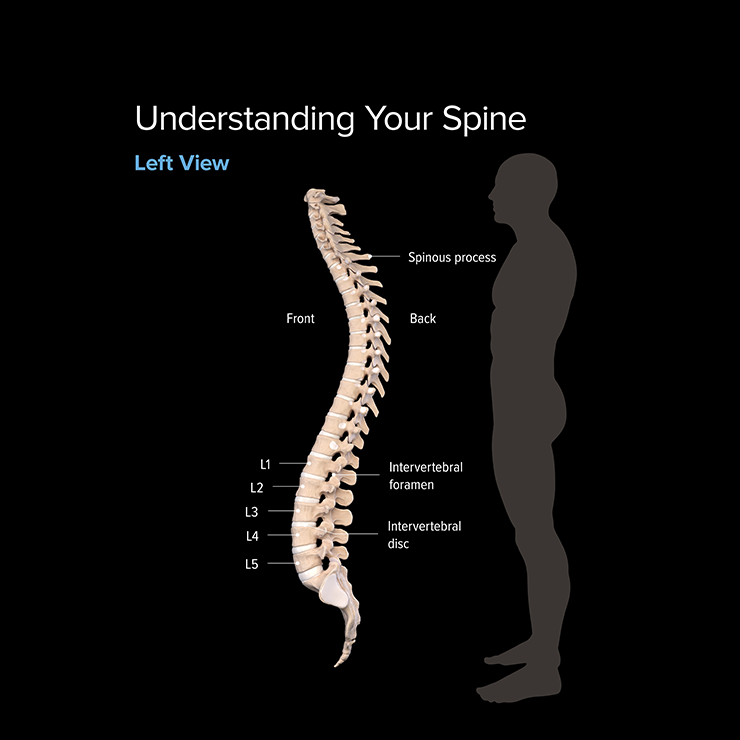
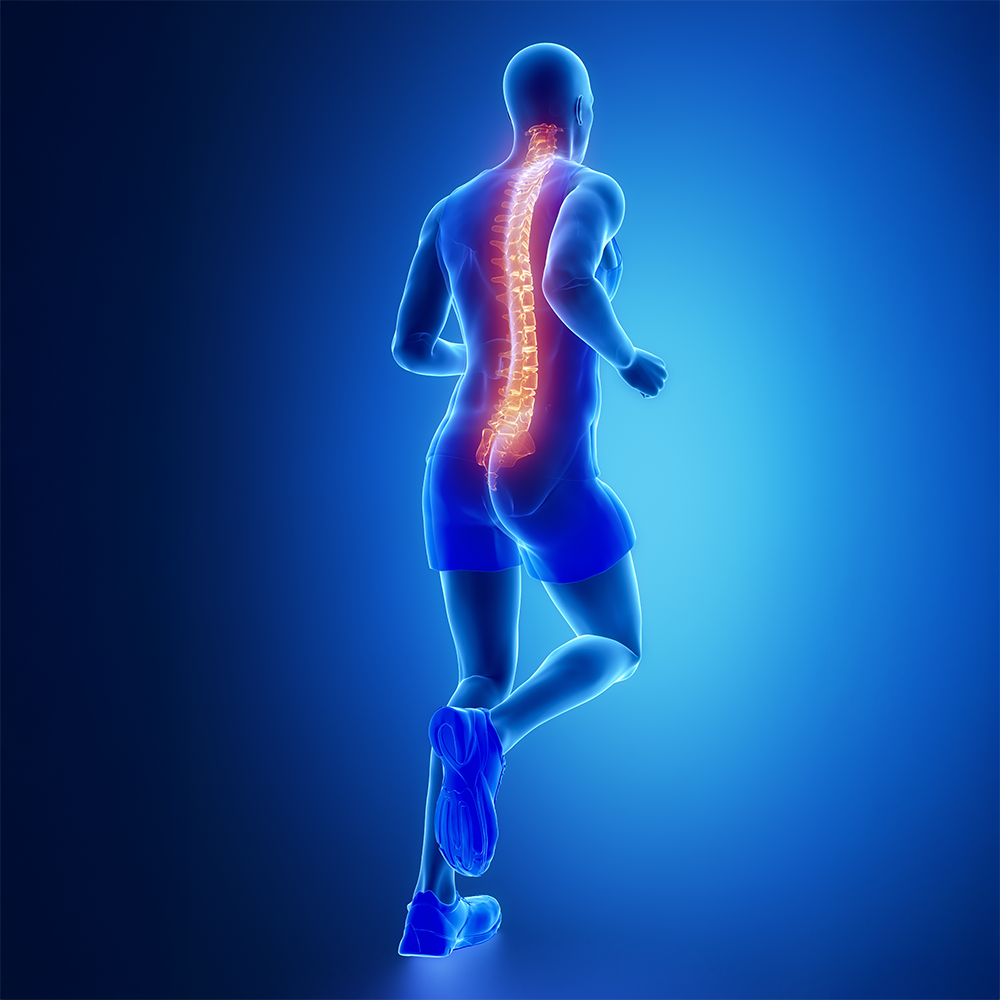
The spine is one of the most complex structures in the human body. It consists of bony and soft-tissue structures, including bone, ligaments, tendons, intervertebral discs, muscles, and nerves.
When functioning properly, the spine allows multiaxial movement (movement in numerous directions) while providing stability.
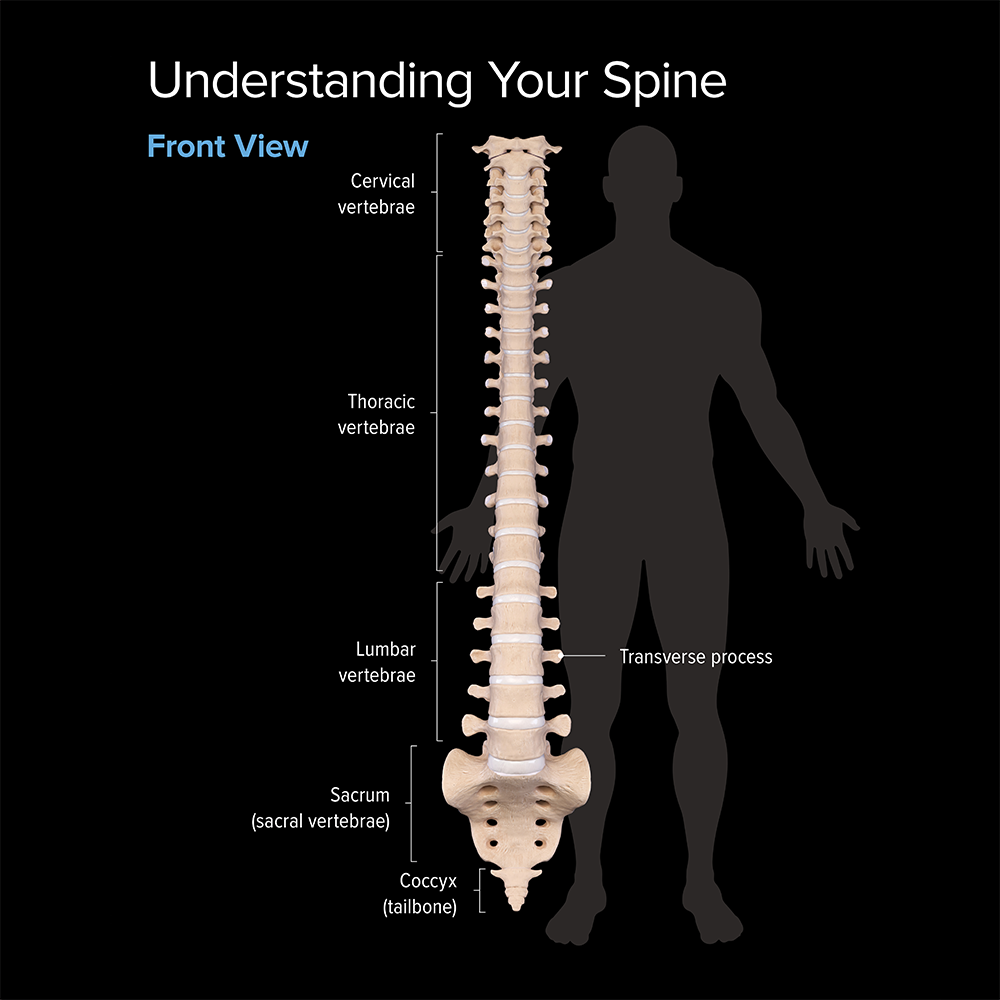
The spine is categorized into 4 main sections:
• Cervical spine: Includes the neck region; 7 vertebrae
• Thoracic spine: Midback area; 12 vertebrae
• Lumbar spine: Lower back; 5 vertebrae
• Sacrum: 5 fused vertebrae along with the coccyx, or tailbone; this combined structure is a large portion of the pelvis
Back pain? Learn more about your options: https://www.arthrexendoscopicspine.com/
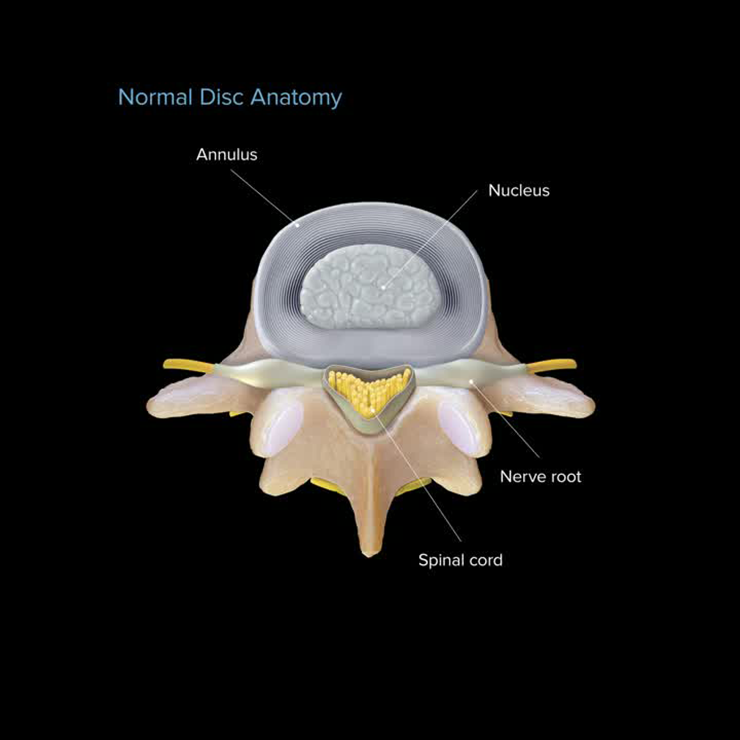
There are 3 main types of herniated discs:
• Contained Disc Herniation: A spinal disc in which the nucleus is bulging or stretching the outer annulus but has not pushed through the annulus wall into the spinal canal
• Extruded Disc Herniation: A spinal disc in which the nucleus has broken through the annulus wall entering the spinal canal but is still attached to the main body of the disc
• Sequestered Disc Herniation: A spinal disc that has ruptured; fragments have broken off the main disc structure and migrated into the spinal canal
If conservative treatment options fail to provide relief, your doctor may recommend surgical intervention for your herniated disc.
Learn about your options: https://www.arthrexendoscopicspine.com/
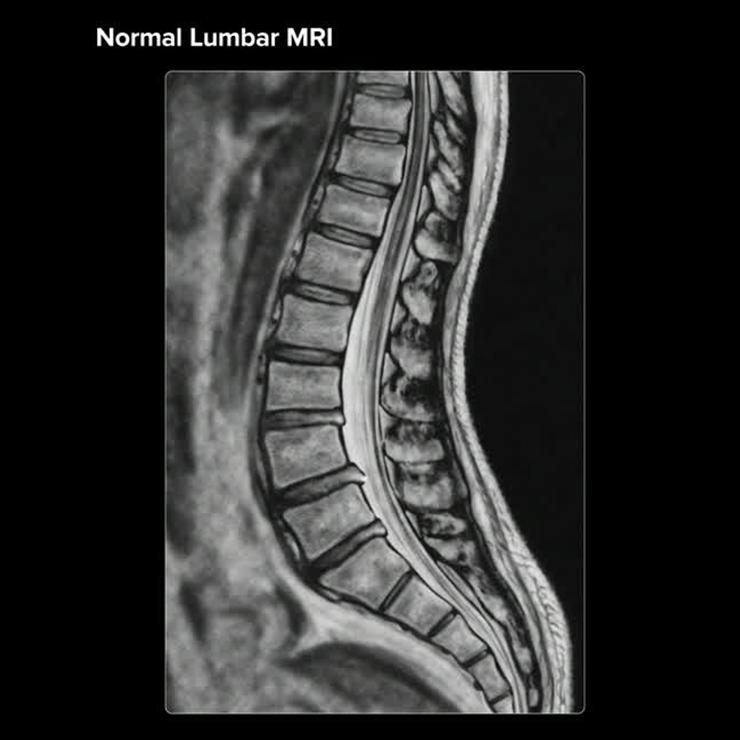
Every year, up to 2% of adults experience a symptomatic herniated disc, with the majority occurring in the lower back (lumbar spine) area.* Research has shown that people 30-50 years of age are most likely to experience a disc herniation, with men twice as likely as women to be affected.*
This is a relatively small portion when compared to people with asymptomatic disc herniations, or herniations that do not cause pain. Further research has shown that the prevalence of individuals with asymptomatic disc herniations, also called protrusions, range from 29% in patients 20-29 years of age to 43% in patients 80-89 years of age.*
Common symptoms of a herniated disc include:
• Leg pain that may be accompanied by back pain
• Pain that can be felt even when seated
• Numbness, weakness, and/or tingling in the lower extremities and possibly the lower back
Learn about your options: https://www.arthrexendoscopicspine.com/
*Al Qaraghli MI, De Jesus O. Lumbar Disc Herniation. StatPearls Publishing; 2023. Accessed October 6, 2023. https://www.ncbi.nlm.nih.gov/books/NBK560878/
*Fjeld OR, et al. Bone Joint J. 2019;101-B(4):470-477.
*Brinjikji W, et al. AJNR Am Neuroradiol. 2015;36:811-816
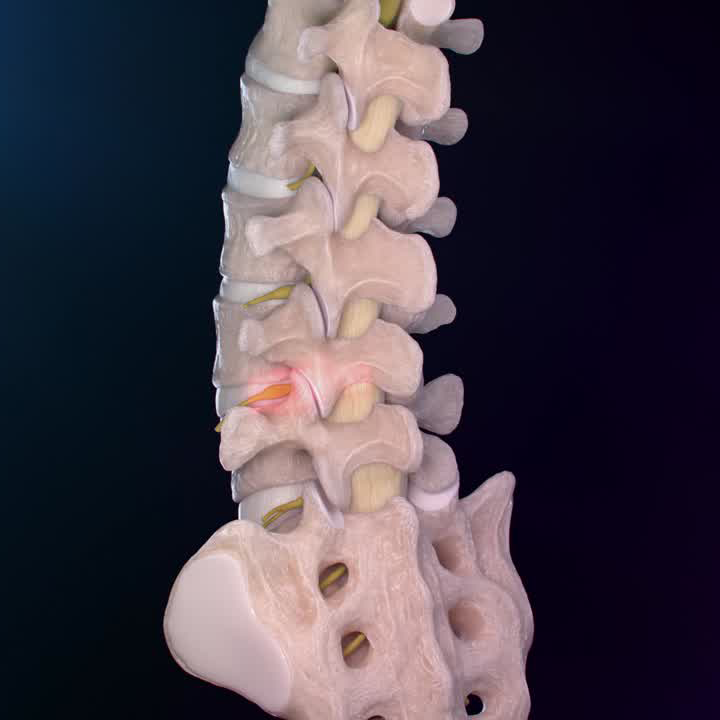
Learn about the ultra-minimally invasive endoscopic transforaminal approach for treating herniated discs. This technique is commonly used for herniated discs that extrude through the side of the vertebrae. During the procedure, the herniated disc is removed through a small incision located on the same side of the body as the herniation.
What Are the Benefits?
Learn more about Endoscopic Spine solutions: https://www.arthrexendoscopicspine.com/
*Ruetten S, Komp M, Merk H, Godolias G. Full-endoscopic interlaminar and transforaminal lumbar discectomy versus conventional microsurgical technique: a prospective, randomized, controlled study. Spine (Phila Pa 1976). 2008;33(9):931-939. doi:10.1097/BRS.0b013e31816c8af7
*Page PS, Ammanuel SG, Josiah DT. Evaluation of endoscopic versus open lumbar discectomy: a multi-center retrospective review utilizing the American College of Surgeons' National Surgical Quality Improvement Program (ACS-NSQIP) database. Cureus. 2022;14(5):e25202. doi:10.7759/cureus.25202
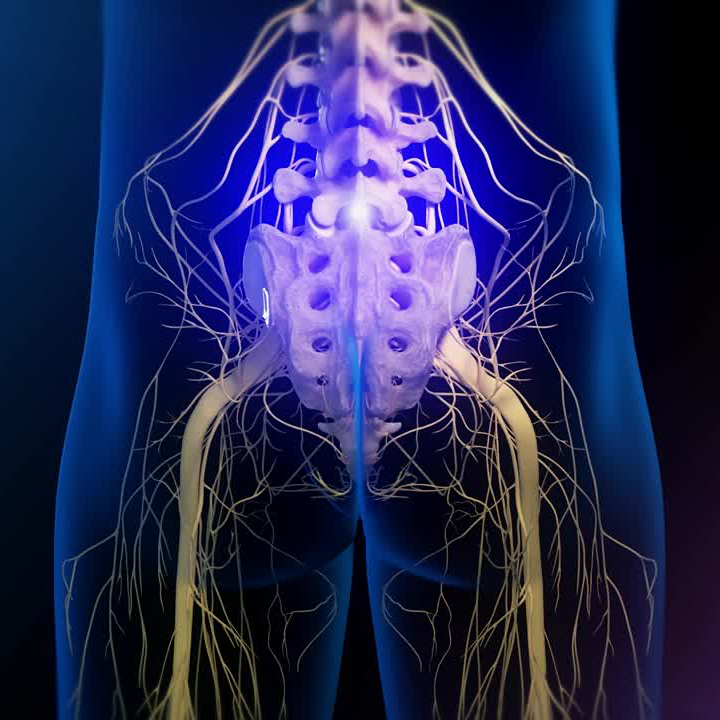
Learn about the endoscopic interlaminar approach for disc herniation. Using specially designed instruments like the endoscope, this technique allows surgeons to effectively view and treat lower lumbar disc herniations.
What Are the Benefits?
• “Bandage” surgery requiring just a tiny incision
• Shown to have fewer complications and allow for a shorter hospital stay compared to open discectomy*
Learn more about Endoscopic Spine solutions: https://www.arthrexendoscopicspine.com/
*Page PS, Ammanuel SG, Josiah DT. Evaluation of endoscopic versus open lumbar discectomy: a multi-center retrospective review utilizing the American College of Surgeons' National Surgical Quality Improvement Program (ACS-NSQIP) database. Cureus. 2022;14(5):e25202. doi:10.7759/cureus.25202
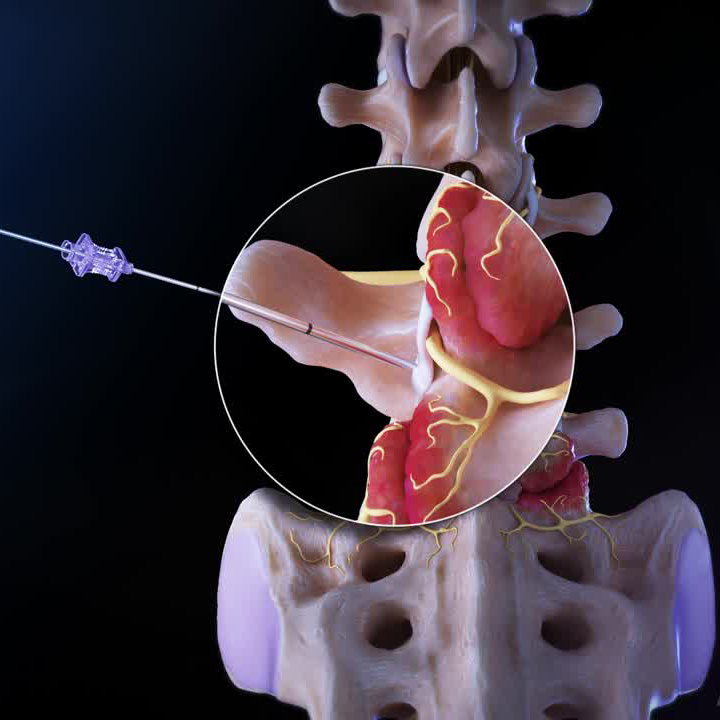
Eight out of 10 adults experience back pain in their life.*
Learn about ultra-minimally invasive medial branch nerve transection (MBT), a procedure performed with an endoscope. MBT targets facet-joint arthritis and its related pain by transecting the nerve, which can eliminate discomfort at the joint.
What Are the Benefits?
• MBT is safe, effective, and provides long-term benefits up to 5 years postsurgery*
• 75% of patients had significantly reduced pain after 5 years*
Learn more about Endoscopic Spine solutions: https://www.arthrexendoscopicspine.com/
*Zhou T, Salman D, McGregor AH. Recent clinical practice guidelines for the management of low back pain: a global comparison. BMC Musculoskelet Disord. 2024;25(1):344. doi:10.1186/s12891-024-07468-0
*Urits I, Burshtein A, Sharma M, et al. Low back pain, a comprehensive review: pathophysiology, diagnosis, and treatment. Curr Pain Headache Rep. 2019;23(3):23. doi:10.1007/s11916-019-0757-1
*Du R, Gao J, Wang B, et al. Percutaneous radiofrequency ablation and endoscopic neurotomy for lumbar facet joint syndrome: are they good enough? Eur Spine J. 2024;33(2):463-473. doi:10.1007/s00586-023-08078-5
*Siddiqi F, Romero J, O’Donnel C, Hayes V. Five year long-term results of endoscopic dorsal ramus rhizotomy and anatomic variations of the painful lumbar facet joint. Paper presented at: Society for Minimally Invasive Spine Surgery Annual Conference. November 1-3, 2013; Las Vegas, NV.

Specially designed instruments like the endoscope, which is about the width of a pencil tip, allow surgeons to view and reach small areas of the spine through a much smaller incision compared to traditional back surgery. This minimizes disruption and damage to muscles that stabilize the back and reduces the need to remove bone.
Learn more about Endoscopic Spine solutions: https://www.arthrexendoscopicspine.com/

Eight out of 10 adults experience back pain in their life.*
No matter the cause, this can be debilitating for many people. Whether your back pain resulted from a minor injury or you experience chronic pain and haven’t found relief, ultra-minimally invasive endoscopic procedures have been shown to provide relief*, improve function*, and preserve the natural motion of the spine.
Learn more about Endoscopic Spine solutions: https://www.arthrexendoscopicspine.com/
*Zhou T, Salman D, McGregor AH. Recent clinical practice guidelines for the management of low back pain: a global comparison. BMC Musculoskelet Disord. 2024;25(1):344. doi:10.1186/s12891-024-07468-0
*Urits I, Burshtein A, Sharma M, et al. Low back pain, a comprehensive review: pathophysiology, diagnosis, and treatment. Curr Pain Headache Rep. 2019;23(3):23. doi:10.1007/s11916-019-0757-1
*Ruetten S, Komp M, Merk H, Godolias G. Use of newly developed instruments and endoscopes: full-endoscopic resection of lumbar disc herniations via the interlaminar and lateral transforaminal approach. J Neurosurg Spine. 2007;6(6):521-530. doi:10.3171/spi.2007.6.6.2
*Lewandrowski KU, Ransom NA, Yeung A. Return to work and recovery time analysis after outpatient endoscopic lumbar transforaminal decompression surgery. J Spine Surg. 2020;6(Suppl 1):S100-S115. doi:10.21037/jss.2019.10.01

Traditional, or open, spine surgery requires a large incision, which often damages the paraspinal muscles that help you move your torso. It may also involve removing more bone to access certain areas, leading to more pain and a longer recovery time.
In contrast, endoscopic spine surgery allows your surgeon to use specialized instruments, including an endoscope, to view and operate on the spine through a much smaller incision. By avoiding large incisions, minimizing tissue disruption, and reducing the need to remove bone, the endoscopic approach helps to reduce the risk of complications and speed up recovery.*
Learn more about Endoscopic Spine solutions: https://www.arthrexendoscopicspine.com/
*Page PS, Ammanuel SG, Josiah DT. Evaluation of endoscopic versus open lumbar discectomy: a multi-center retrospective review utilizing the American College of Surgeons' National Surgical Quality Improvement Program (ACS-NSQIP) database. Cureus. 2022;14(5):e25202. doi:10.7759/cureus.25202
*Gadjradj PS, Broulikova HM, van Dongen JM, et al. Cost-effectiveness of full endoscopic versus open discectomy for sciatica. Br J Sports Med. Published online February 20, 2022. doi:10.1136/bjsports-2021-104808
*Polikandriotis JA, Hudak EM, Perry MW. Minimally invasive surgery through endoscopic laminotomy and foraminotomy for the treatment of lumbar spinal stenosis. J Orthop. 2013;10(1):13-16. doi:10.1016/j.jor.2013.01.006
*Ruetten S, Komp M, Merk H, Godolias G. Use of newly developed instruments and endoscopes: Full-endoscopic resection of lumbar disc herniations via the interlaminar and lateral transforaminal approach. J Neurosurg Spine. 2007;6(6):521-530. doi:10.3171/spi.2007.6.6.2

Ultra-minimally invasive endoscopic surgical techniques can be performed by either a spinetrained orthopedic surgeon or a neurosurgeon. These procedures are done through an incision that is 3 to 4 times smaller than traditional open surgery, causing less tissue disruption and resulting in fewer complications, shorter recovery times, and a quicker return to normal activities.*
Learn more about Endoscopic Spine solutions: https://www.arthrexendoscopicspine.com/
*Matsumoto M, Hasegawa T, Ito M, et al. Incidence of complications associated with spinal endoscopic surgery: nationwide survey in 2007 by the Committee on Spinal Endoscopic Surgical Skill Qualification of Japanese Orthopaedic Association. J Orthop Sci. 2010;15(1):92-96. doi:10.1007/s00776-009-1428-6
*Ahn Y, Oh HK, Kim H, Lee SH, Lee HN. Percutaneous endoscopic lumbar foraminotomy: an advanced surgical technique and clinical outcomes. Neurosurgery. 2014;75(2):124-133. doi:10.1227/NEU.0000000000000361
*Polikandriotis JA, Hudak EM, Perry MW. Minimally invasive surgery through endoscopic laminotomy and foraminotomy for the treatment of lumbar spinal stenosis. J Orthop. 2013;10(1):13-16. doi:10.1016/j.jor.2013.01.006
*Ruetten S, Komp M, Merk H, Godolias G. Use of newly developed instruments and endoscopes: Full-endoscopic resection of lumbar disc herniations via the interlaminar and lateral transforaminal approach. J Neurosurg Spine. 2007;6(6):521-530. doi:10.3171/spi.2007.6.6.2

With ultra-minimally invasive endoscopic surgery, we can help people return to their everyday activities and live the active, healthy lifestyles they love. In fact, patients who undergo endoscopic spine surgery for lumbar disc herniation may be able to return to sports and activities such as golf, soccer, baseball, and even football in just 6 to 8 weeks.*
Learn more about Endoscopic Spine solutions: https://www.arthrexendoscopicspine.com/
*Aljoghaiman M, Martyniuk A, Farrokhyar F, Cenic A, Kachur E. Survey of lumbar discectomy practices: 10 years in the making. J Spine Surg. 2020;6(3):572-580. doi:10.21037/jss-20-519
*Sairyo K, Matsuura T, Higashino K, et al. Percutaneous endoscopic lumbar discectomy for athletes. J Spine. 2013;S5(006):1-4. doi:10.4172/2165-7939.S5-006
*Sivakanthan S, Williams JR, Feroze AH, et al. Endoscopic spine surgery in athletes: case series and review of literature. World Neurosurg. 2021;145:702-707. doi:10.1016/j.wneu.2020.08.211

Endoscopic discectomy removes the problematic portion of the disc to help relieve pain and restore function. One year after the procedure, about 94% of patients reported significantly improved function and were able to restore strength and motion through exercise.*
Learn more about Endoscopic Spine solutions: https://www.arthrexendoscopicspine.com/
*Zhang C, Li Z, Yu K, Wang Y. A postoperative phenomenon of percutaneous endoscopic lumbar discectomy: rebound pain. Orthop Surg. 2021;13(8):2196-2205. doi:10.1111/os.13088
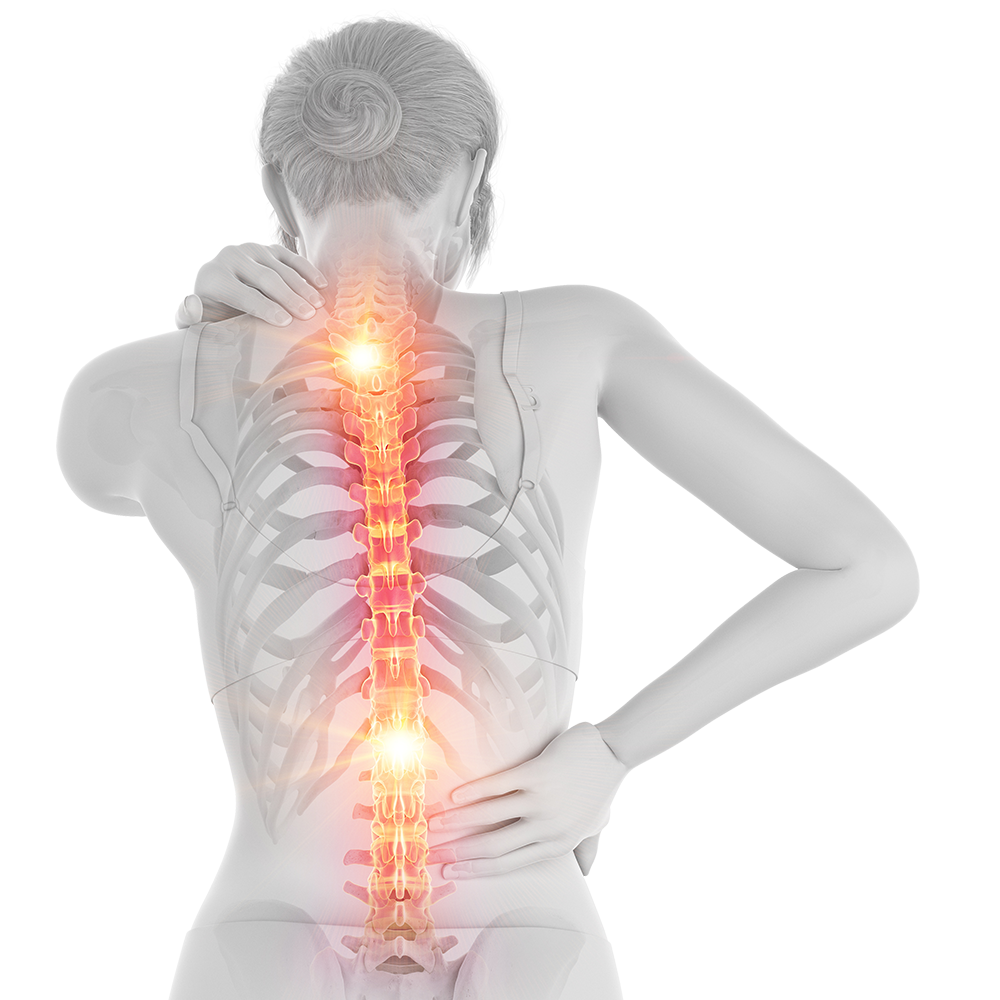
Eight out of 10 adults experience back pain in their life.*
If you have nerve pain radiating into one or both of your legs, you are not alone. This is often caused by degenerative disc disease in the lumbar spine, which can lead to a herniated disc. If this condition is compressing your nerves, endoscopic spine surgery may help relieve pain and restore mobility.
Learn more about Endoscopic Spine solutions: https://www.arthrexendoscopicspine.com/
*Zhou T, Salman D, McGregor AH. Recent clinical practice guidelines for the management of low back pain: a global comparison. BMC Musculoskelet Disord. 2024;25(1):344. doi:10.1186/s12891-024-07468-0
*Urits I, Burshtein A, Sharma M, et al. Low back pain, a comprehensive review: pathophysiology, diagnosis, and treatment. Curr Pain Headache Rep. 2019;23(3):23. doi:10.1007/s11916-019-0757-1
All patient/case details in demo screenshots are fictitious. Patient images, videos, and/or testimonials used with written authorization of the patient or their legal guardian. Products may not be available in all markets outside of the United States because product availability is subject to the regulatory approvals and medical practices in individual markets. Please contact Arthrex if you have questions about the availability of products in your area.
All trademarks are the property of their respective owners.

© 2026 Arthrex, Inc. All rights reserved.